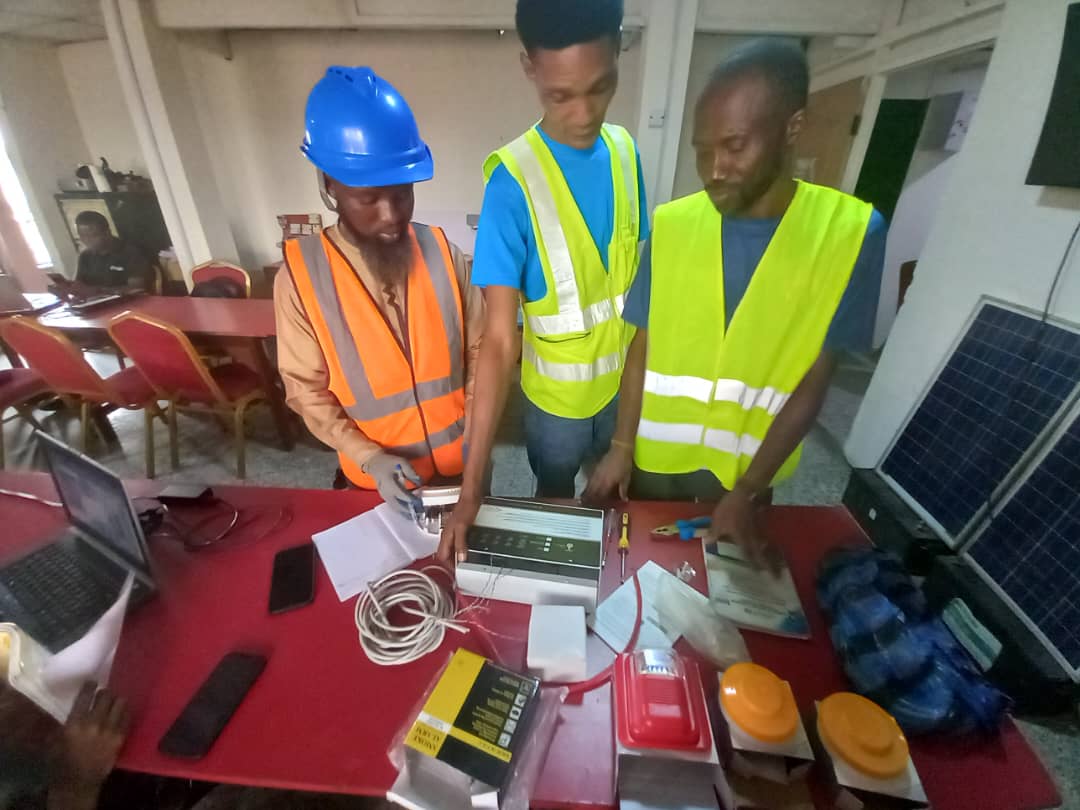
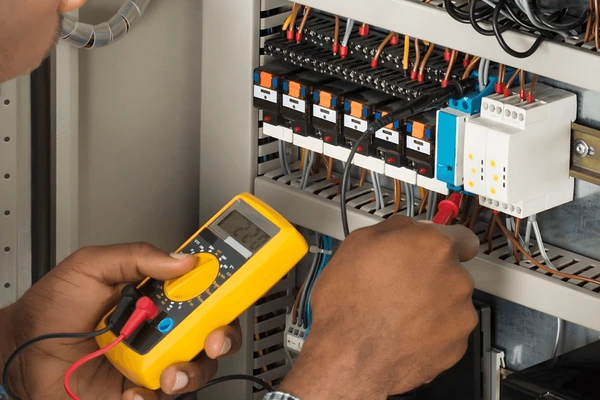
For professionals in charge of designing, installing running, and maintaining fire detection and alarm systems, the Fire Alarm Systems Installation and Maintenance Course offers crucial technical knowledge. Early fire detection and system dependability are essential for safeguarding people, property, and business continuity in high-risk industrial and commercial settings. Strong knowledge of contemporary fire alarm technologies, such as smoke, heat, flame, as well as the engineering concepts that guaranty efficient system operation, are developed in this fire alarming training course.
By examining system design, detector selection, zoning, and wire configurations, the Fire Alarm Systems Course focuses on the real-world implementation of fire safety techniques. Professionals looking for a fire alarm system design course that covers the efficient selection and configuration of fire detection and alarm systems will find the course especially pertinent due to its emphasis on system design concepts. In order to provide quick and well-coordinated responses, participants learn how fire alarm systems interface with control panels, power sources, and communication systems.
Training Outcomes:
- Identify the operating principles of different fire detection technologies
- Select appropriate detectors based on risk levels and environmental conditions
- Define detection zones, alarm zones, and system architecture requirements
- Address causes of false alarms and improve system reliability
- Apply performance-based design aligned with international standards
- Integrate fire alarm systems with emergency response and safety mechanisms.
Audience
Professionals working in fire safety, system design, maintenance, and operational supervision are the target audience for this training course on fire alarm systems. The training program assists those in charge of guaranteeing dependable fire detection systems and adherence to safety rules.
The Fire Alarm Systems Installation and Maintenance Course is suitable for the following categories of professionals:
- Fire protection engineers and fire system designers
- Instrumentation and electrical engineers and technicians
- Process control engineers involved in safety systems
- HSE and safety compliance professionals
- Fire safety officers and emergency response personnel
- Facility, plant, and maintenance professionals
- Technical supervisors responsible for safety-critical systems
Couse Outline
Introduction
- Planning the system
- The role of fire risk assessment and fire engineering (BS 5839-1, NFPA 72)
- Type of system
- Servicing arrangements – planning flowchart and category
- The meaning of a detection zone and alarm zone
- The purpose of detection zones, configuration guideline and detection zone safeguards
Type of Fire Detection and Alarm System
- Conventional systems
- Detection zones
- Detectors and call points
- Addressable systems – detectors and call points and digital addressable systems
- Operation of analogue addressable detectors
- General fire system engineering principles – detector selection and types
Break Glass” Call Points / Means of Giving Warning to Occupants
- Siting of manual call points
- Categories of false alarm and causes
- Requirements for service technicians
- Protection against electromagnetic interference
- Performance monitoring of newly commissioned systems, system management, servicing and maintenance
- Audible alarms in noisy areas, alarm zones and external fire alarm devices
Control and Indicating Equipment/ Power supplies/ Cabling Considerations
- Siting of control and indicating equipment
- Location of origin of the fire and Security of control equipment
- Networked control panels, mains supply-standby supply; life protection and property protection
- Calculation of standby battery capacity
- Recommended cable types and mechanical protection of cables
- Segregation
Communication with the Fire Service/ System Installation/ Maintenance
- Automatic transmission of alarm signals and category
- Methods of automatic transmission
- Standards for alarm receiving centres and siting of equipment
- Installation work, inspection, testing, commissioning and handover
- Routine testing
- Servicing